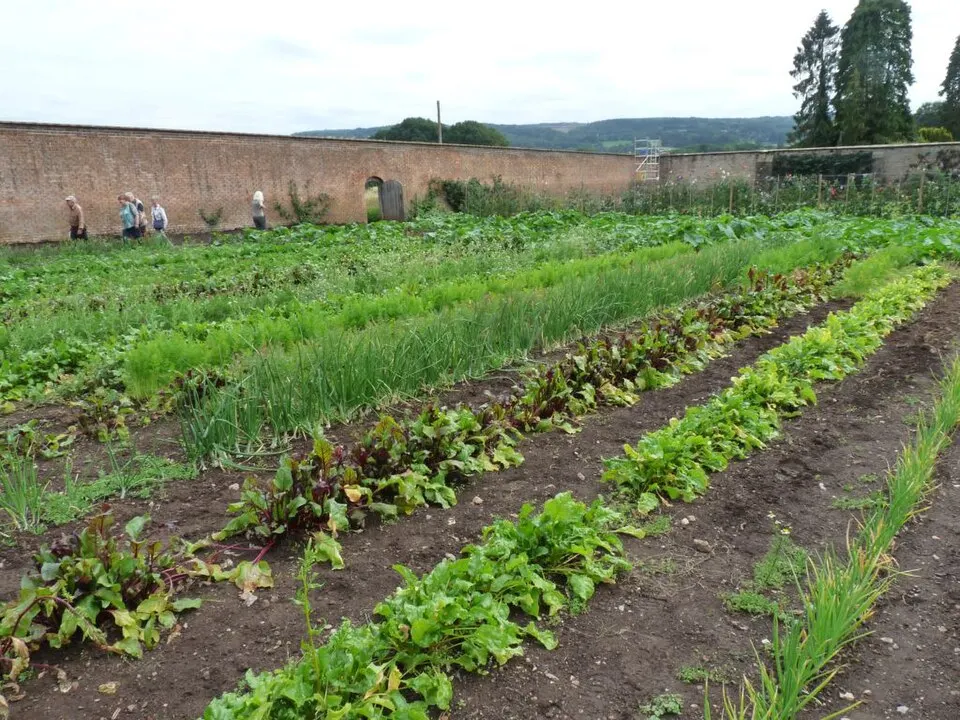

Watch the ground after rain
Before digging a British clay garden, mark where puddles linger and where water arrives from paths or neighbouring surfaces. Clay content alone does not explain every drainage problem. Record the pattern after several showers, including whether the proposed bed lies below surrounding ground.
Keep feet off the growing area
Lay out beds you can reach from the sides. Establish firm access first so routine harvesting does not compact the planting area. Avoid working the soil while it is wet and sticky. Begin with one bed rather than reshaping the entire garden in a single weekend.
Choose an improvement you can assess
Review the soil’s condition before ordering bulk amendments. Organic matter can be useful, but the material and quantity should suit the ground and intended crops. Do not treat a thin layer of purchased compost as a remedy for water entering from a damaged drain.
Review after a full season
Compare ease of planting, surface condition and crop growth in the improved area with an untouched area. Keep notes on additions so you can repeat what worked. Persistent standing water or a suspected drainage defect warrants a separate assessment before you invest in further beds.