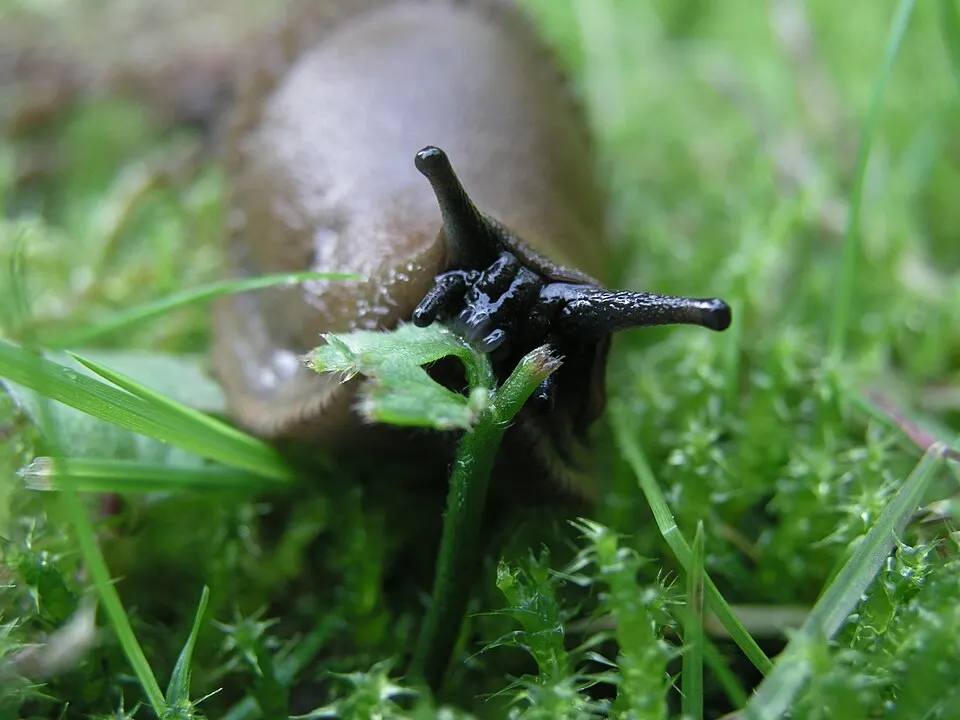

Check what is being damaged
Missing leaves do not identify the culprit by themselves. Inspect young plants and look again during suitable evening conditions. In damp UK and Irish gardens, focus attention on the seedlings that are being damaged rather than trying to remove every slug from the whole garden.
Make vulnerable plants easy to inspect
Keep seed trays and newly planted rows accessible. Remove unnecessary clutter immediately around the plants you are protecting, while retaining appropriate wildlife habitat elsewhere. Raise stronger plants where suitable for the crop, and check them before transplanting into an area with repeated damage.
Be cautious about popular fixes
Copper, crushed eggshells and similar barriers are often presented as guaranteed solutions. The RHS reports that several familiar barriers did not reduce damage in its garden trial. Avoid buying many products at once: you will struggle to identify whether any intervention actually helped.
Measure the outcome
Mark a small number of plants and photograph them at regular intervals. Record new damage rather than counting only visible slugs. Adjust the planting or inspection routine when losses continue. If considering a control product, check current local approval and label instructions rather than relying on an old online recommendation.