
Look for gaps rather than one spectacular display
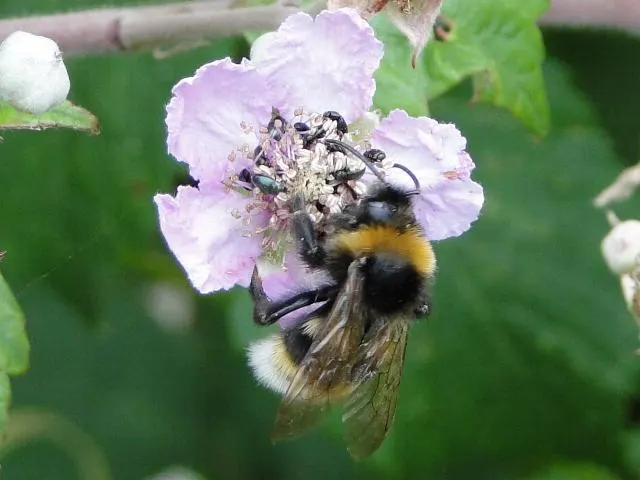
A border can be colourful for a fortnight and offer little afterwards. Walk around your UK or Irish garden through the growing season and note what is actually flowering. Record the visiting insects you observe without assuming every flower serves the same group.
Use your site as the filter
Select plants suited to the soil, light and available space. A plant that needs constant rescue is unlikely to provide a dependable display. Consider flowering periods across several seasons, and check local guidance before introducing unfamiliar or potentially invasive species.
Retain useful habitat
Combine planting with appropriate undisturbed corners and sensible management. Avoid disturbing occupied nests or established wildlife shelters. Review pesticide use and keep any necessary treatment targeted and consistent with current instructions. More flowers do not cancel out other harmful practices in the same garden.
Make next year’s change specific
Choose the most obvious seasonal gap and improve that part of the border first. Keep a simple flowering record, including plants that failed. This gives you a practical basis for future choices and avoids repeatedly buying the same summer-flowering plants because they look attractive at the garden centre.