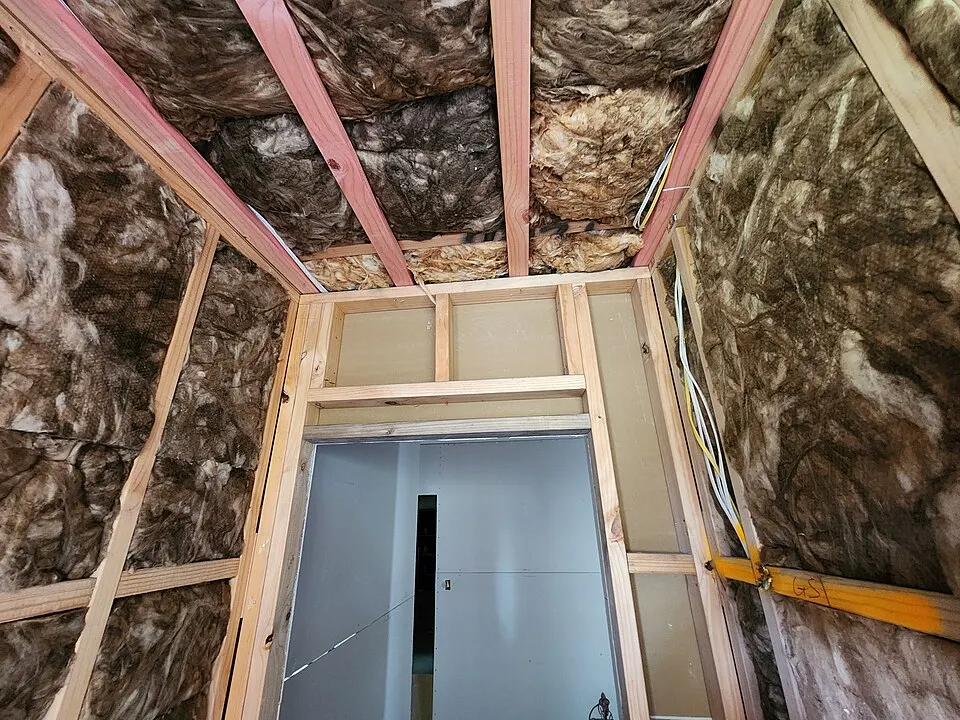

Start with the building’s condition
Insulation is not a repair for a leaking roof or an unresolved damp problem. Before selecting a measure for a British home, record the construction type, known defects and the rooms that are difficult to keep comfortable. Existing insulation may also need inspection rather than automatic replacement.
Consider how measures interact
Changes to walls, floors, roofs and openings can affect later work. Ask an adviser to explain which steps should come first and how junctions will be treated. Include ventilation and moisture management in the discussion, particularly when draught reduction is proposed alongside insulation.
Compare clear scopes of work
Two quotes may describe different preparation, access, finishing and disposal. Ask for the proposed material, installation method and treatment of identified defects. Use Energy Saving Trust’s guidance to prepare questions, but have the solution assessed for the actual building.
Plan verification and maintenance
Agree what documentation and checks will be provided after the work. Keep photographs and specifications where future owners or tradespeople can find them. Judge the result over appropriate weather conditions. A promised percentage saving without a stated starting point is less useful than a clear design and accountable installation.