
Begin with the intended use
Timber suitable for a decorative panel may not suit a load-bearing structure or contact with growing soil. Before visiting a UK or Irish salvage supplier, write down the project’s dimensions and how the material will be used. This helps avoid buying attractive pieces that do not fit.
Ask about the material’s history
Look for identifiable treatment, previous use and visible contamination. Unknown coatings or preservative treatments deserve caution, particularly around edible crops. Do not assume that weathered timber is untreated or that a pallet marking answers every question about its later use.
Inspect before committing
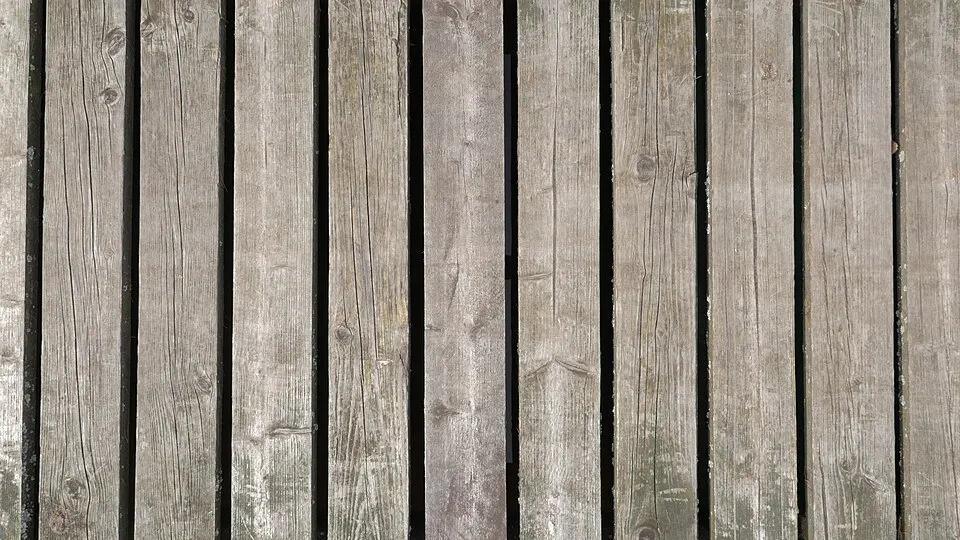
Check for rot, splits, distortion and embedded metal. Allow for the usable section after damaged ends are removed. Agree whether pieces can be examined individually. For structural work, use material and assessment appropriate to the design rather than judging strength from appearance.
Compare the complete effort
Include transport, cleaning, safe preparation and rejected pieces in the budget. Keep information from the supplier with your project notes. Reuse works best when the material is genuinely suitable; accepting every free piece can create a storage and disposal problem instead of reducing waste.