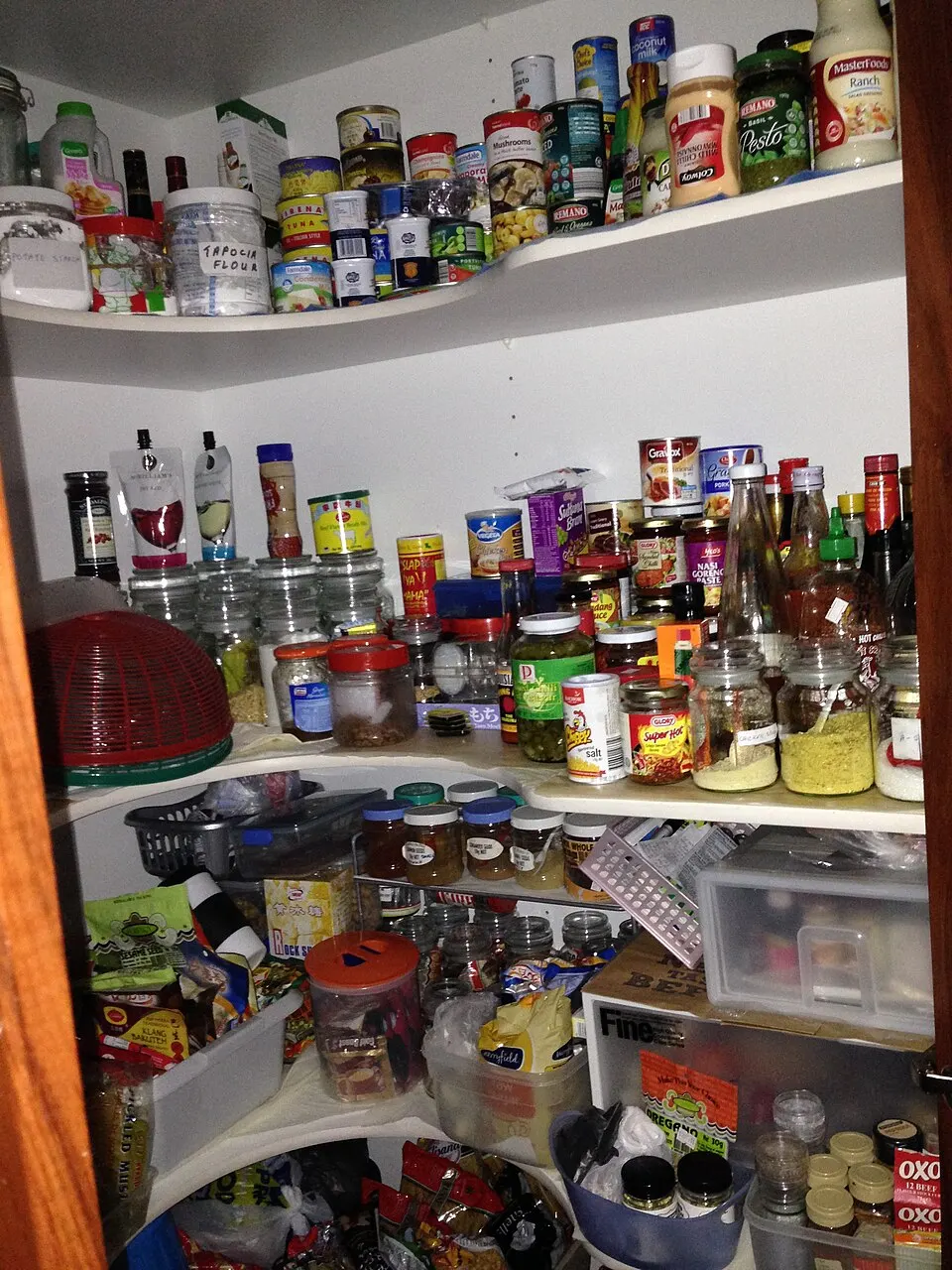

Start by seeing the whole stock
Remove items from one cupboard at a time and group similar foods. In a small UK or Irish kitchen, duplicates often build up because the oldest pack is hidden behind newer purchases. Check packaging condition and identify anything that needs special storage after opening.
Distinguish date types
Use-by and best-before information do not mean the same thing. Follow the label and current official food-safety advice rather than making one rule for every product. An opened pack may have additional instructions that matter more than the unopened date printed on the front.
Make the next meal easy
Place suitable items that should be used first where they are visible. Keep a brief list only for stock that is otherwise hard to see. Choose a few meals that use existing ingredients before writing the shopping list, and buy quantities that fit the household’s habits.
Review why food remains unused
An unfamiliar ingredient may need a recipe; an oversized pack may need a different purchasing choice. Do not replenish items automatically just because there is space on the shelf. A useful pantry is one whose contents move through ordinary meals, with storage conditions and dates checked along the way.